
The Role of AI in Grant Management
In recent years, the integration of Artificial Intelligence (AI) into various sectors has revolutionized how tasks are managed and executed. One area where AI is making a significant impact is in grant management, especially for projects focused on environmental impact. By automating and streamlining processes, AI has become an indispensable tool for grant managers seeking efficiency and accuracy.
Grant management involves meticulous planning, application processing, and compliance checks. Traditionally, these tasks have required considerable time and resources. However, with AI, many of these processes can be automated, reducing the burden on human resources and ensuring that projects are executed more effectively.

Automating Application Processing
One of the most time-consuming aspects of grant management is the processing of applications. AI can swiftly handle large volumes of applications by using natural language processing (NLP) to read and analyze documents. This capability allows AI to identify key information, assess eligibility, and rank applications based on predefined criteria.
This not only speeds up the application process but also eliminates human error, ensuring that each application is assessed fairly and accurately. As a result, grant managers can focus more on strategic decision-making rather than getting bogged down with administrative tasks.
Enhancing Compliance and Reporting
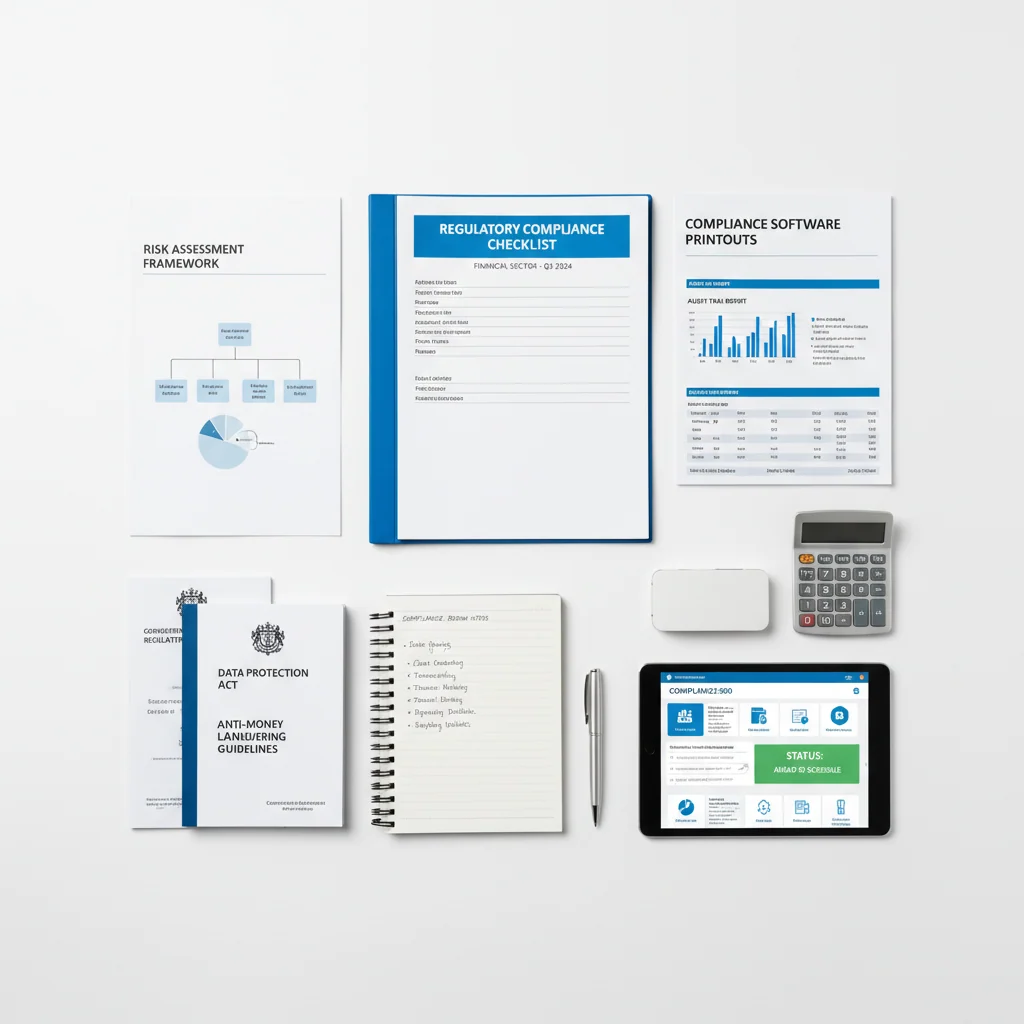
Environmental impact projects often involve strict compliance and reporting requirements. AI systems can track and monitor these requirements in real time, ensuring that projects adhere to regulatory standards. By automating compliance checks, AI helps organizations avoid costly penalties and maintain their reputation.
Additionally, AI can generate detailed reports that provide insights into project progress and environmental impact. These reports can be customized to meet the needs of various stakeholders, offering transparency and accountability.
Improving Decision-Making with Data Analysis
AI's data analysis capabilities are transforming how decisions are made in grant management. By analyzing vast datasets, AI can identify trends and patterns that might not be visible to the human eye. This information is invaluable for making informed decisions about project funding and prioritization.
Moreover, AI can predict potential project outcomes based on historical data, enabling grant managers to allocate resources more effectively. This predictive capability ensures that funds are directed towards projects with the highest potential for positive environmental impact.
Facilitating Collaboration and Communication
Effective collaboration and communication are crucial for the success of environmental impact projects. AI-powered platforms can facilitate seamless communication between stakeholders, ensuring everyone is on the same page. These platforms can automate meeting schedules, document sharing, and feedback collection, making collaboration more efficient.

Furthermore, AI tools can provide real-time updates and alerts, keeping team members informed about project developments and deadlines. This level of connectivity enhances teamwork and ensures that projects stay on track.
The Future of AI in Grant Management
As AI technology continues to evolve, its role in grant management is expected to become even more integral. Future advancements may include more sophisticated predictive models and enhanced automation capabilities, further streamlining processes and improving outcomes.
Ultimately, the integration of AI in grant management represents a significant step forward in executing environmental impact projects. By leveraging AI's capabilities, organizations can enhance efficiency, accuracy, and effectiveness, contributing to a more sustainable future.
Part of the EcoGuardian journal. This article retains its original publication context; references to grants, regulations, research, and services may have changed since publication.