The Role of AI in Environmental Protection
Artificial Intelligence (AI) is playing a crucial role in transforming various sectors, including environmental protection. One of the most promising applications of AI is in the development and management of bio-swale projects, which are essential for sustainable water management and pollution reduction.

Understanding Bio-Swales
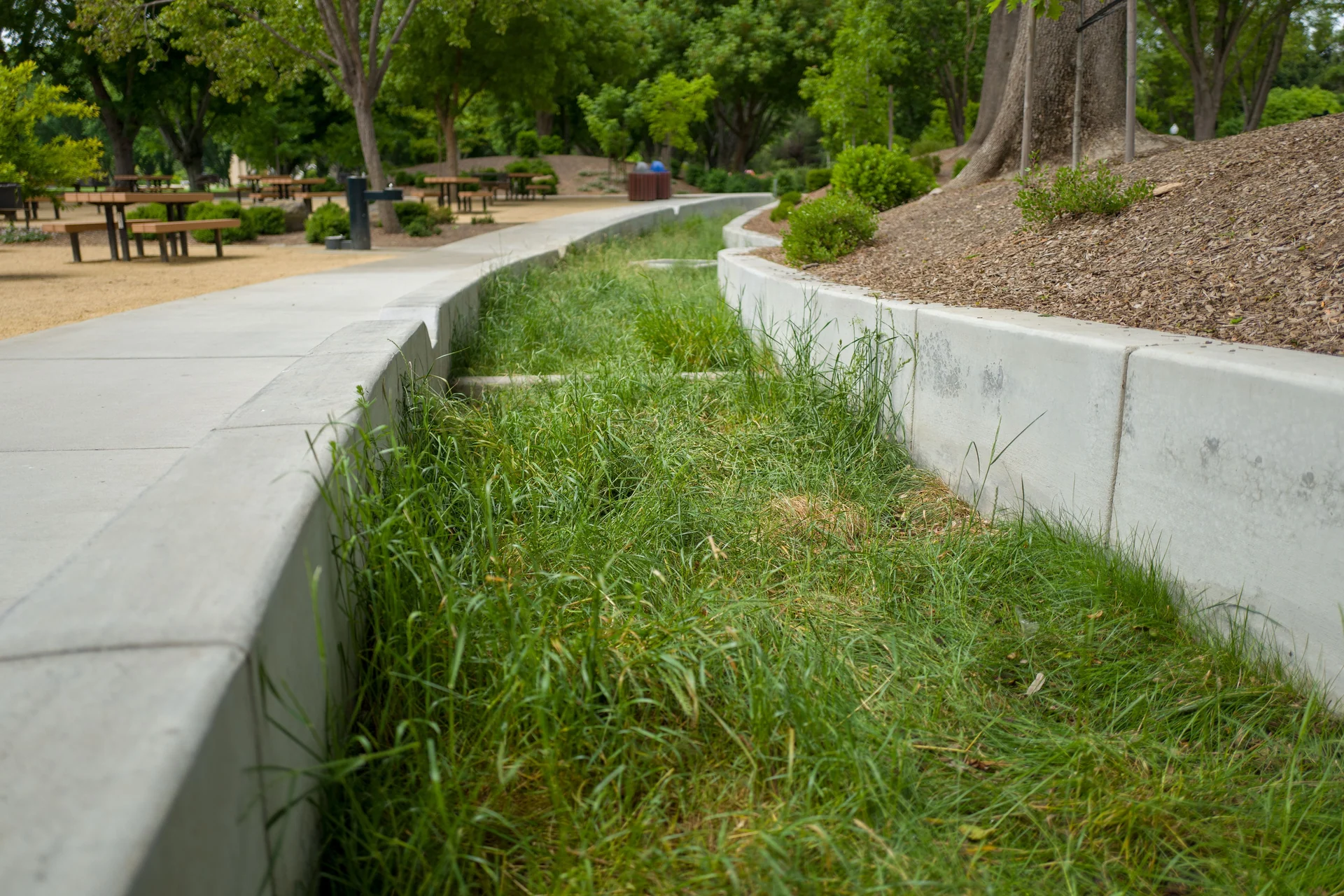
Bio-swales are landscape elements designed to concentrate or remove silt and pollution from surface runoff water. They are essential in urban areas where natural water absorption is limited due to extensive concrete surfaces. These systems not only help in managing stormwater but also enhance the aesthetic value of landscapes.
AI technologies are being integrated into the planning, design, and monitoring of bio-swales to maximize their efficiency and effectiveness. By utilizing AI, we can make more informed decisions that lead to better ecological outcomes.
AI-Driven Design and Planning
AI enhances the design and planning of bio-swales by analyzing large datasets to determine the optimal placement and structure. This process involves:
- Data Analysis: AI algorithms analyze environmental data such as rainfall patterns, soil types, and topography to design effective bio-swales.
- Predictive Modeling: AI models can predict how bio-swales will perform under various environmental conditions, allowing for proactive adjustments.

Monitoring and Maintenance with AI
Once a bio-swale is established, AI plays a vital role in its ongoing monitoring and maintenance. Sensors and IoT devices integrated with AI can collect real-time data on water flow, pollution levels, and plant health. This data is crucial for:
- Detecting and addressing blockages or inefficiencies in the bio-swale system.
- Ensuring that the plants in the bio-swale are thriving and contributing effectively to the filtration process.
Benefits of AI in Bio-Swale Projects
Integrating AI into bio-swale projects offers numerous benefits, including:
- Improved Efficiency: AI optimizes the functionality of bio-swales, ensuring they work at peak performance.
- Cost-Effectiveness: By predicting maintenance needs, AI reduces the costs associated with repairs and replacements.
- Environmental Impact: AI-driven bio-swales contribute to cleaner waterways and reduced urban flooding.

Challenges and Future Directions
While AI offers significant advantages, there are challenges in its implementation, such as the need for extensive data and the complexity of AI systems. However, ongoing advancements in AI technology promise to overcome these hurdles, making bio-swales even more effective in the future.
As we continue to explore the potential of AI in environmental protection, collaborative efforts between technologists, environmentalists, and policymakers will be essential to harness the full power of AI for sustainable development.
Part of the EcoGuardian journal. This article retains its original publication context; references to grants, regulations, research, and services may have changed since publication.