AI and Environmental Grants: Revolutionizing Ecological Restoration Projects


The Role of AI in Environmental Grants
In recent years, the integration of artificial intelligence (AI) with environmental grants has opened up new avenues for ecological restoration projects. AI technologies are not only optimizing the allocation of funds but also ensuring that these projects achieve maximum impact. By leveraging AI, organizations can better analyze environmental data, predict outcomes, and streamline processes, making restoration efforts more effective and efficient.
Environmental grants are essential for supporting projects aimed at conserving biodiversity, restoring ecosystems, and combating climate change. However, the challenge lies in selecting the most impactful projects from a sea of applications. This is where AI comes into play, using advanced algorithms to evaluate proposals, assess potential success, and predict long-term benefits.

Enhancing Decision-Making with AI
AI systems are revolutionizing the way decisions are made in the allocation of environmental grants. By analyzing vast amounts of data, AI can identify patterns and predict the potential success of various projects. This data-driven approach helps in prioritizing projects that promise the greatest environmental benefits.
Moreover, AI can simulate different scenarios and outcomes, allowing grant providers to understand the potential impact of their investments. This predictive capability ensures that funds are allocated to projects that are not only innovative but also sustainable in the long term.

Streamlining Project Management
Once grants are awarded, AI plays a crucial role in the management and monitoring of ecological restoration projects. AI-driven tools can automate routine tasks, such as data collection and reporting, freeing up human resources for more strategic activities. This not only increases efficiency but also ensures that projects stay on track and within budget.
For instance, AI-powered drones and sensors can monitor environmental changes in real-time, providing valuable insights into the progress of restoration efforts. This real-time data collection helps in making timely adjustments to project strategies, ensuring optimal outcomes.

Challenges and Opportunities
While AI offers numerous benefits, there are challenges that need to be addressed. Ensuring data accuracy and overcoming technical barriers are critical for the successful implementation of AI in environmental projects. Additionally, there is a need for collaboration between technologists and environmentalists to develop AI solutions that are not only technologically sound but also environmentally sensitive.
Despite these challenges, the opportunities are immense. By harnessing the power of AI, environmental grants can be more strategically allocated, leading to more successful restoration projects. This synergy between AI and ecological efforts is paving the way for a more sustainable future.
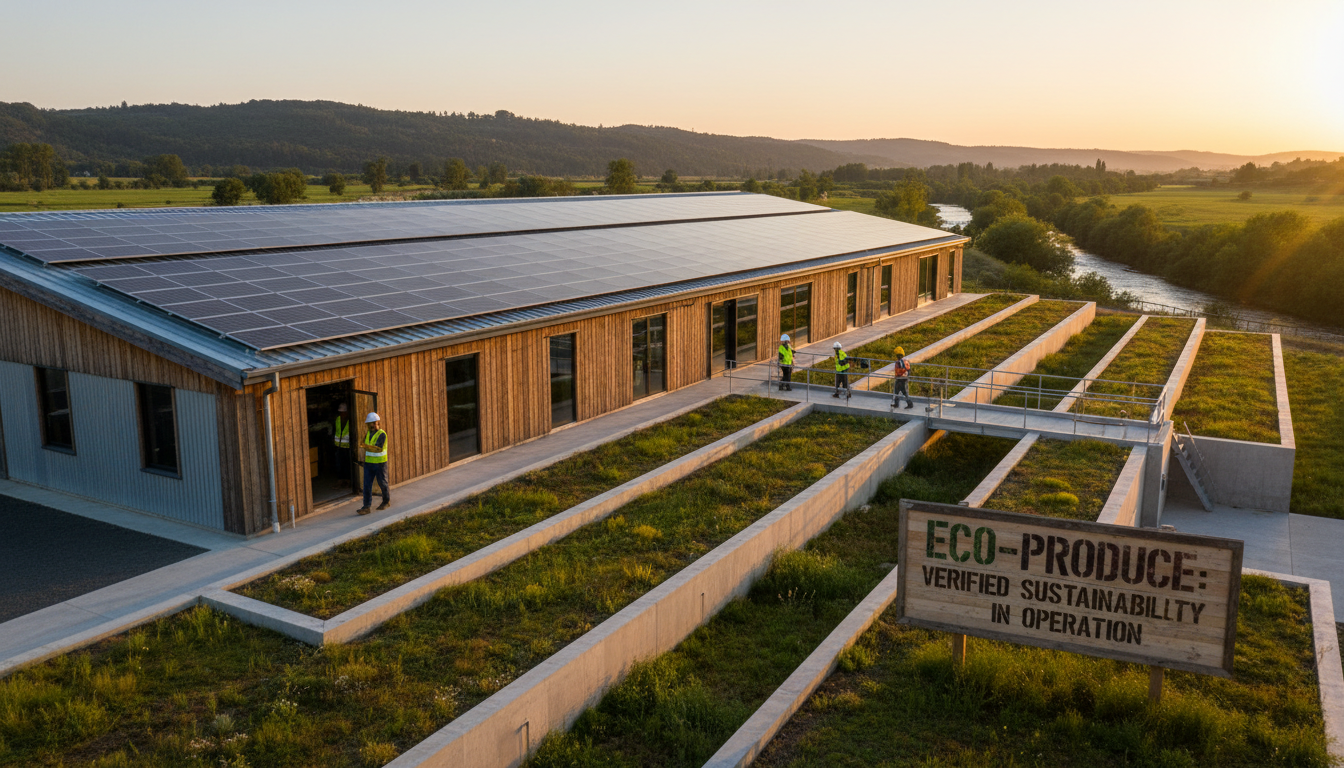
The Future of AI in Ecological Restoration
As AI continues to evolve, its role in ecological restoration and environmental grants will only expand. Future advancements could include more sophisticated predictive models, better integration with other technologies, and increased accessibility for smaller organizations. The potential is vast, and the impact could be transformative.
AI's ability to process and analyze complex environmental data will undoubtedly play a crucial role in achieving global sustainability goals. By continuing to innovate and collaborate, the synergy between AI and environmental restoration will unlock new possibilities for preserving our planet.