
Understanding Bio-Swales
Bio-swales are an eco-friendly landscaping feature designed to manage stormwater runoff. They are essentially shallow, trough-like channels filled with vegetation, compost, and other organic materials that help filter and absorb water. By integrating a bio-swale into your property, you can improve water quality and reduce flooding.

Benefits of Bio-Swales
One of the primary benefits of bio-swales is their ability to reduce stormwater runoff. This means less water flowing into storm drains, which helps prevent erosion and flooding in your yard. Additionally, the plants used in bio-swales can filter pollutants, improving the quality of water that eventually reaches local waterways.
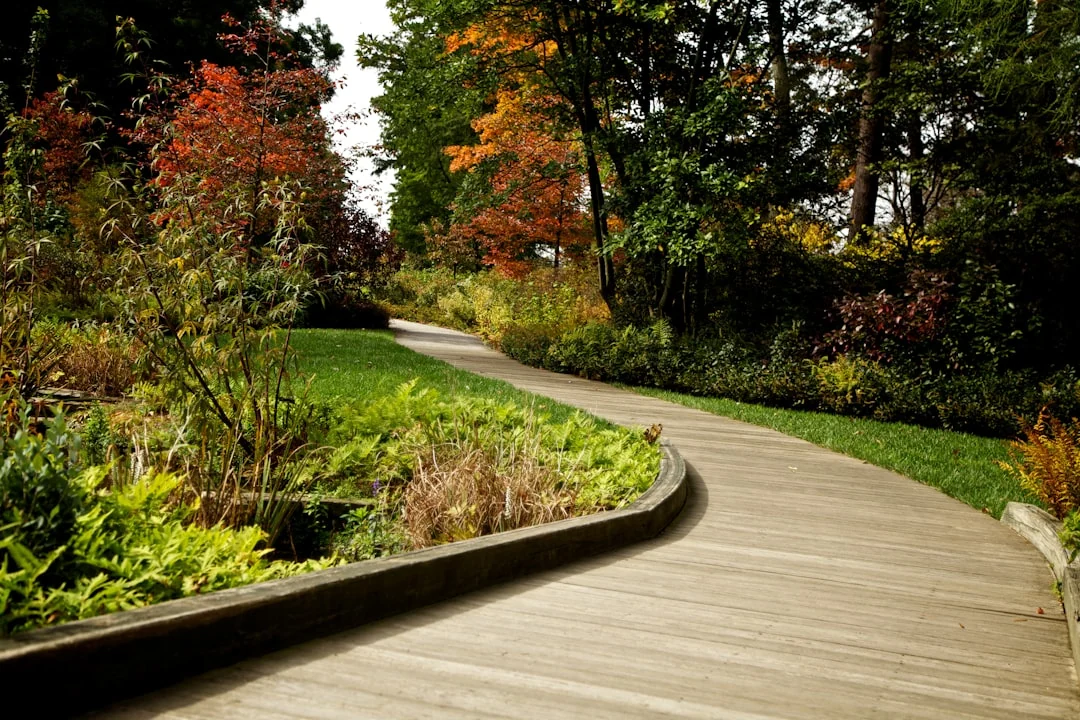
Bio-swales also offer aesthetic benefits. They can be designed to complement your landscaping, adding greenery and enhancing the visual appeal of your property. Moreover, they provide a habitat for local wildlife, supporting biodiversity.
Planning Your Bio-Swale Project
Before starting a bio-swale project in Walton County, it's essential to plan carefully. Consider the location on your property where water tends to collect or flow. You'll want to situate your bio-swale in an area that maximizes water capture and allows for effective drainage.
Choosing the Right Plants
Selecting the appropriate plants is crucial for a successful bio-swale. Opt for native plants that can thrive in wet conditions and are well-suited to the local climate. These plants will help absorb and filter stormwater effectively.
- Blue Flag Iris
- Swamp Milkweed
- Virginia Sweetspire
Installation Process
Installing a bio-swale involves several steps, from digging the trench to planting vegetation. It's often beneficial to consult with a landscaping professional to ensure the correct dimensions and materials are used. Proper installation is key to the bio-swale's functionality and longevity.

Maintenance Tips
Maintaining your bio-swale is relatively straightforward. Regularly check for debris or blockages that could impede water flow. Trim plants as needed to maintain their health and effectiveness. Annually, you may need to replenish mulch or replace any plants that have not thrived.
By following these maintenance tips, you can ensure your bio-swale continues to function efficiently and remains an attractive feature of your landscape.
Part of the EcoGuardian journal. This article retains its original publication context; references to grants, regulations, research, and services may have changed since publication.