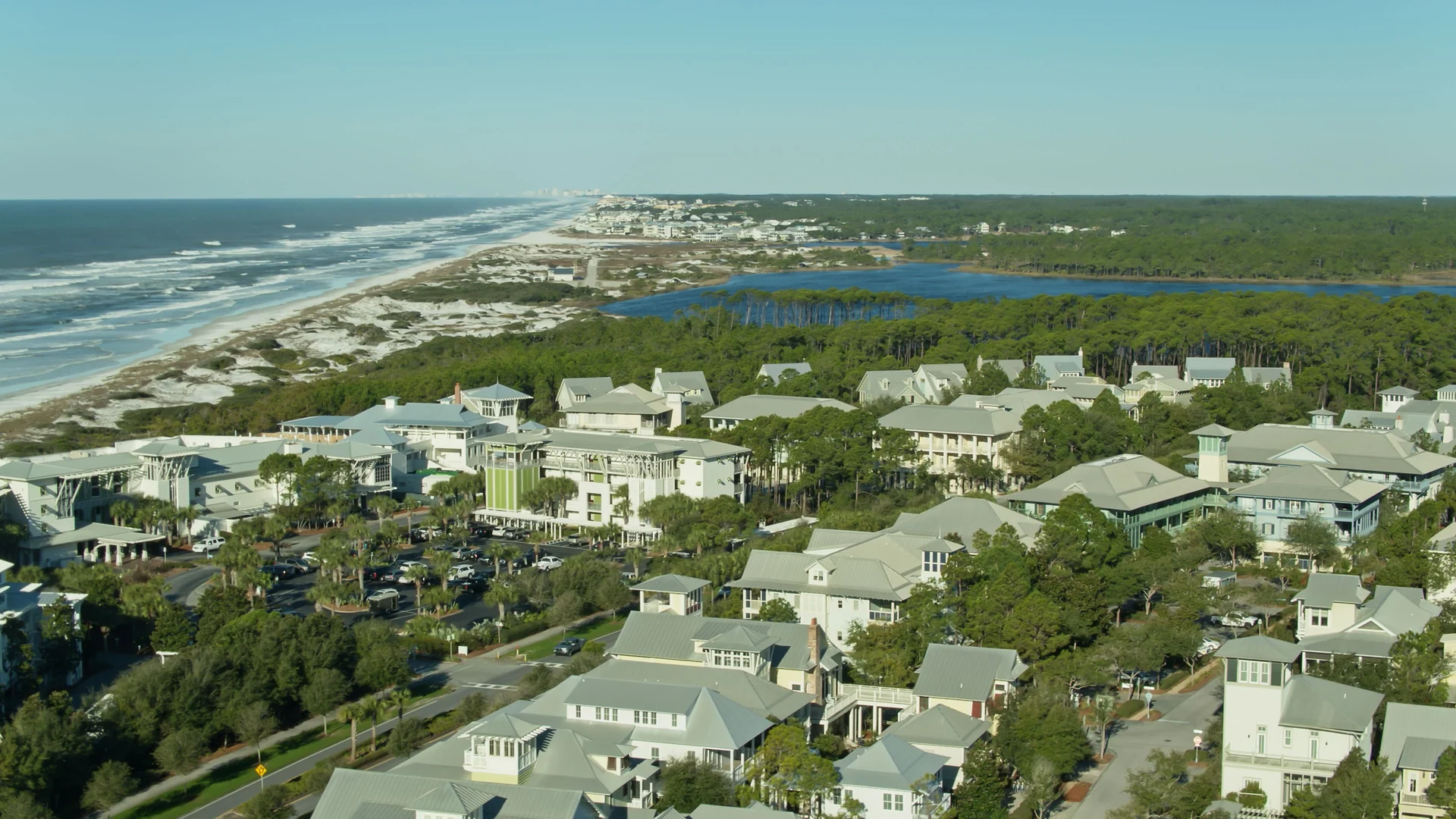
Understanding Bio-Swales
Bio-swales are a sustainable landscaping solution designed to manage stormwater runoff. These vegetated channels slow down water flow, allowing pollutants to settle and be absorbed by plant roots. This natural filtration process helps protect waterways from contamination, making bio-swales an eco-friendly choice for homeowners in Walton County.
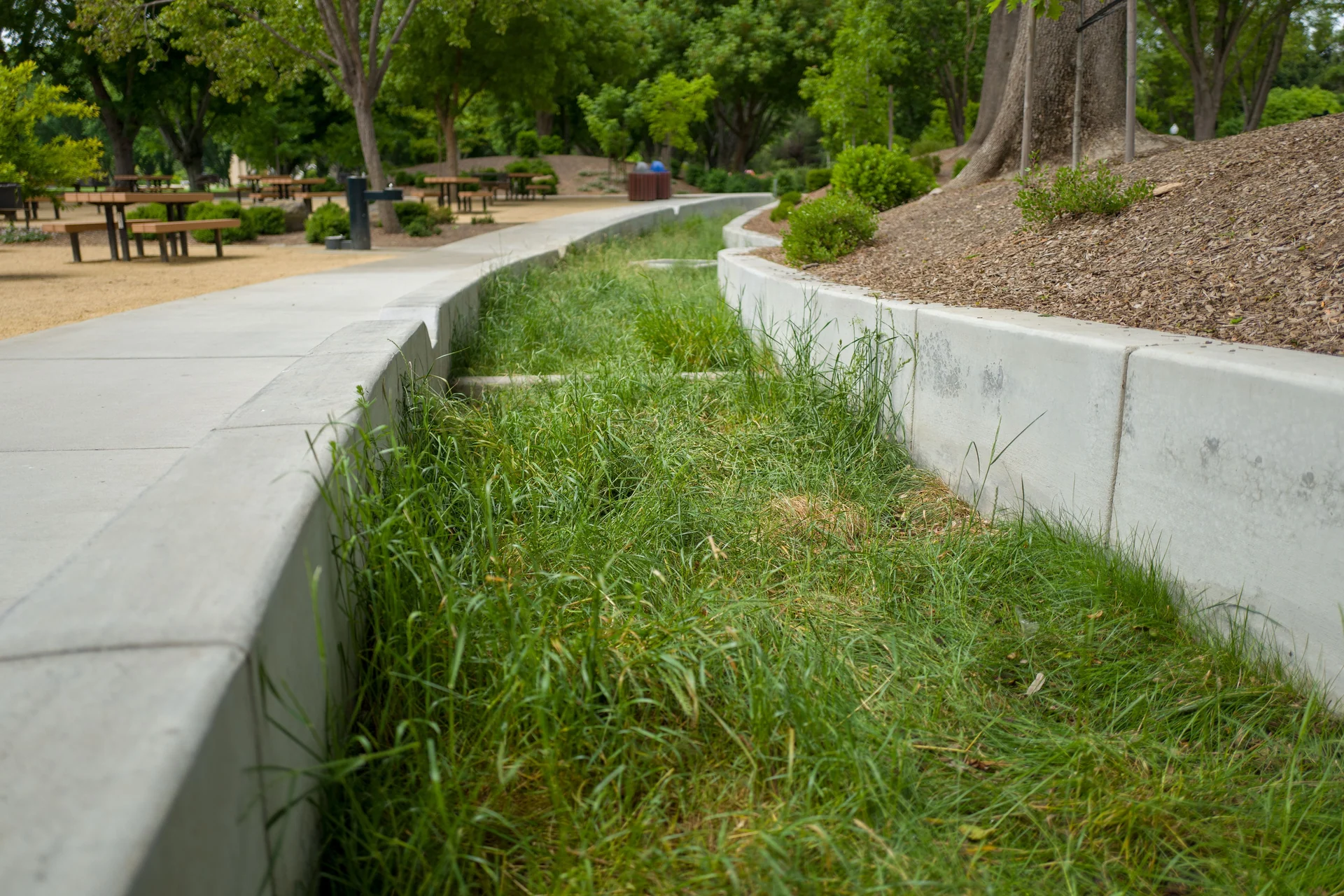
Bio-swales not only improve water quality but also enhance the aesthetic appeal of your property. With the right design and plant selection, they can become a beautiful feature in your landscape, attracting wildlife and promoting biodiversity.
Planning Your Bio-Swale Project
Before starting your bio-swale project, it's crucial to assess your property's needs. Consider the slope, soil type, and existing drainage patterns. This information will help you determine the best location and size for your bio-swale.
Choosing the Right Plants
The success of your bio-swale largely depends on the plants you choose. Opt for native species that are well-adapted to local conditions. These plants will require less maintenance and support local ecosystems. Some excellent choices include:
- Blue Flag Iris
- Switchgrass
- Joe Pye Weed
DIY vs. Professional Installation
While a DIY approach can be rewarding, hiring a professional may ensure the best results. A landscape architect or contractor can provide expert guidance on design, excavation, and plant selection, ensuring your bio-swale functions effectively.
Maintaining Your Bio-Swale
Regular maintenance is key to keeping your bio-swale in top condition. Here are some tips to ensure its longevity:
- Regular Inspections: Check for debris, erosion, or plant health issues.
- Weed Control: Remove invasive species that could choke out native plants.
- Pruning: Trim plants as needed to maintain flow and appearance.
Seasonal Care
Each season brings different challenges and opportunities for your bio-swale. In spring, focus on planting and repairing any winter damage. During summer, ensure plants are hydrated, and in fall, prepare for the dormant season by cleaning up debris.
By investing in a bio-swale project, homeowners in Walton County can contribute to environmental sustainability while enhancing their property's beauty and functionality. Whether you tackle it yourself or enlist the help of professionals, a well-designed bio-swale is a valuable addition to any home landscape.
Part of the EcoGuardian journal. This article retains its original publication context; references to grants, regulations, research, and services may have changed since publication.